Veterinary Surgery in Brampton, ON

Gardenbrooke Veterinary Hospital provides veterinary surgery in Brampton, ON, for pets who need planned procedures or surgical treatment. Our team focuses on clear communication, careful preparation, and supportive follow-up so pet owners understand what to expect before, during, and after surgery.

Surgical Care With Clear Communication
Surgery can feel overwhelming for pet owners, and our goal is to make the process easier to understand. Before recommending a procedure, our veterinarians review your pet’s health, explain why surgery may be needed, and discuss preparation and recovery expectations. Each surgical plan is guided by your pet’s condition, comfort, and overall well-being.
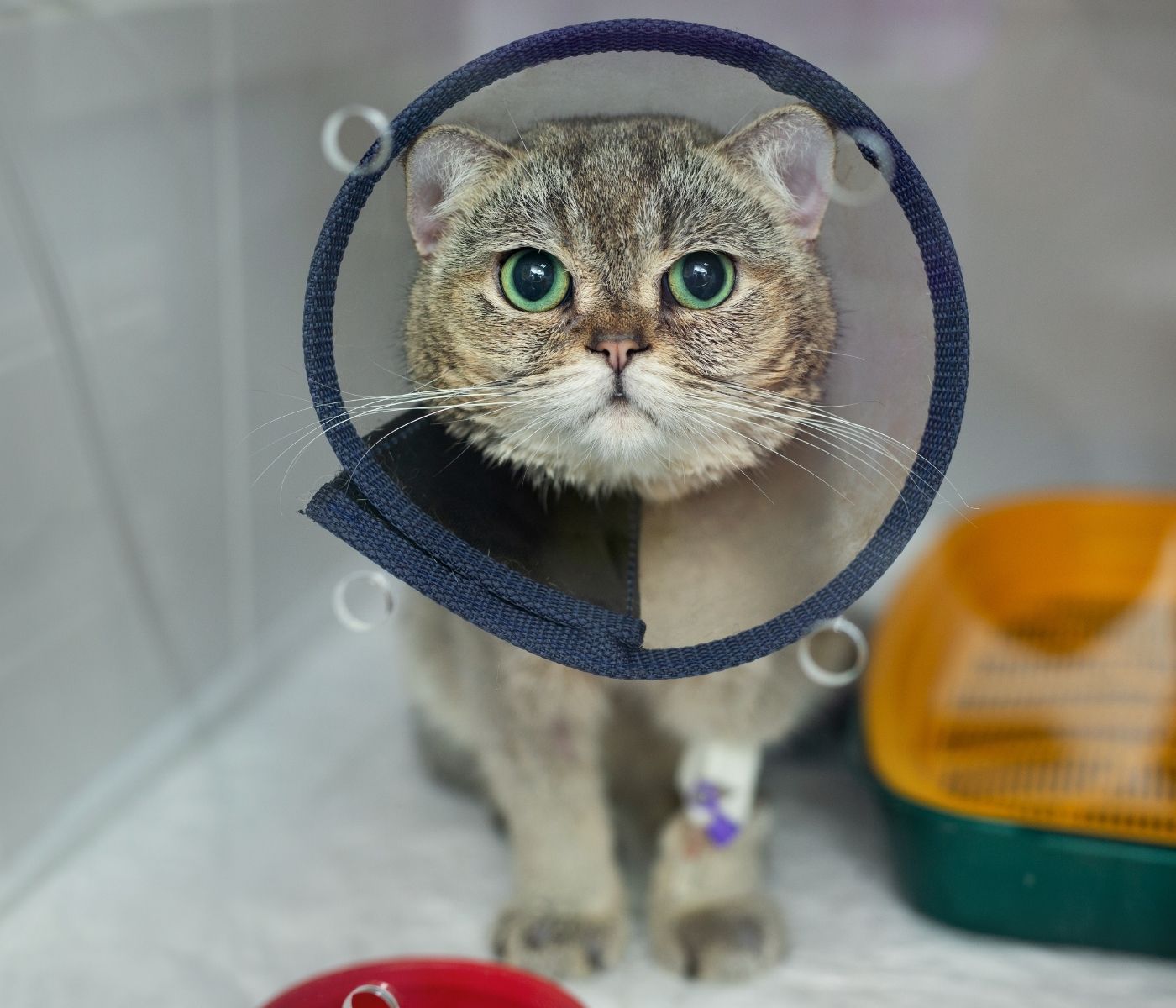
A cat wearing a clear Elizabethan collar and an IV drip in its leg sits in a cage with a yellow and green carrier in the background.

What to Expect Before and After Surgery

Before surgery, our team will provide instructions for your pet’s visit and answer questions about timing, preparation, and follow-up care. Depending on your pet’s health and procedure, we may recommend a pre-surgical evaluation or related diagnostic testing. After surgery, we review recovery instructions, medication guidance when appropriate, and signs to monitor at home.

Preparation

Our team helps you understand pre-surgical instructions, health considerations, and what your pet may need before the procedure.

Recovery

After surgery, we review home care, activity restrictions, comfort monitoring, and follow-up needs to support healing.

When Surgery May Be Recommended

Surgery may support health, comfort, mobility, or treatment needs

Veterinary surgery may be recommended for many reasons, including preventive procedures, treatment of certain conditions, injuries, or the removal of abnormal tissue. Some pets may also need surgical care as part of a larger treatment plan involving pain management, dental care, or ongoing wellness monitoring. If you are unsure whether surgery is appropriate, our veterinarians can examine your pet and discuss available options. You can also review our full veterinary services for related care.

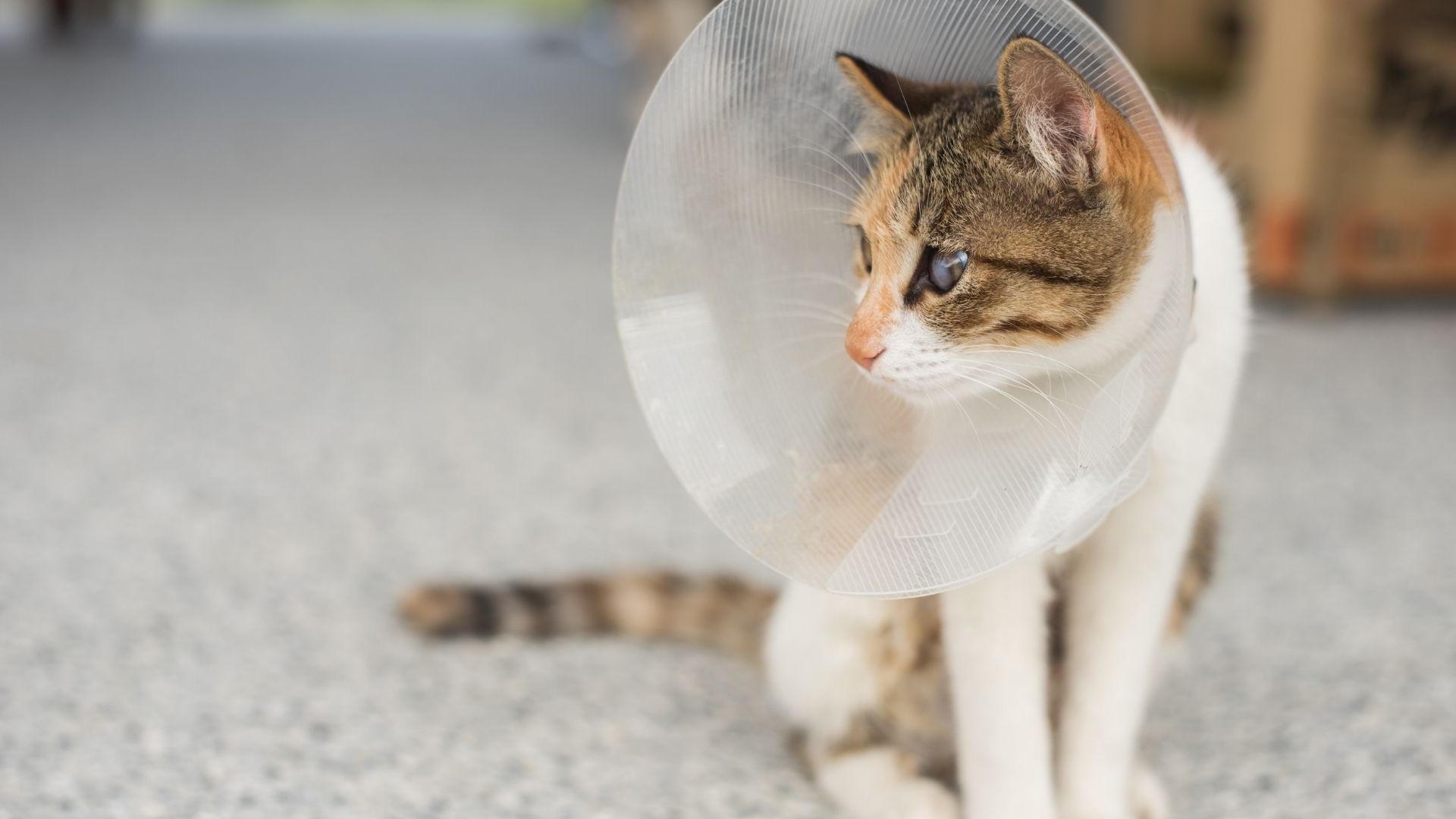
A calico cat wearing a clear plastic Elizabethan collar sits on a speckled gray surface, looking to the right.

Veterinary Surgery FAQs

Pet surgery often comes with questions about safety, preparation, recovery, and aftercare. These FAQs explain how Gardenbrooke Veterinary Hospital supports pets and families through surgical planning and what to expect when a procedure is recommended.
What types of pet surgery does Gardenbrooke Veterinary Hospital provide?
K
L
Gardenbrooke Veterinary Hospital provides veterinary surgery services for pets based on their individual health needs. Because surgical recommendations vary by patient and condition, our veterinarians will examine your pet, discuss the reason surgery may be needed, and explain the appropriate next steps.
How should I prepare my pet for surgery?
K
L
Preparation depends on the procedure and your pet’s health. Our team will provide specific instructions before your pet’s surgery, which may include guidance about food, medications, arrival time, and what to expect. Following those instructions helps support a smoother visit and recovery.
Will my pet need testing before surgery?
K
L
Some pets may need pre-surgical testing to help evaluate their health before a procedure. This can be especially important for senior pets or pets with medical concerns. Gardenbrooke Veterinary Hospital will explain any recommended testing and why it matters for your pet’s care plan.
What should I expect after my pet’s surgery?
K
L
After surgery, our team will review home care instructions, medication guidance if applicable, activity restrictions, and warning signs to watch for. Recovery needs vary depending on the procedure, so it is important to follow the instructions provided for your pet.
When should I call after my pet’s surgery?
K
L

Call Gardenbrooke Veterinary Hospital if your pet seems very uncomfortable, will not eat or drink as expected, has swelling or discharge at the surgery site, has missing or damaged sutures, or shows any symptoms that concern you. Our team can help determine the right next step.